Manufacturing · Capabilities
Capabilities
Seven disciplines under one roof. Each described as it is actually carried out, not as a list of nouns.
01
CAD & CAM
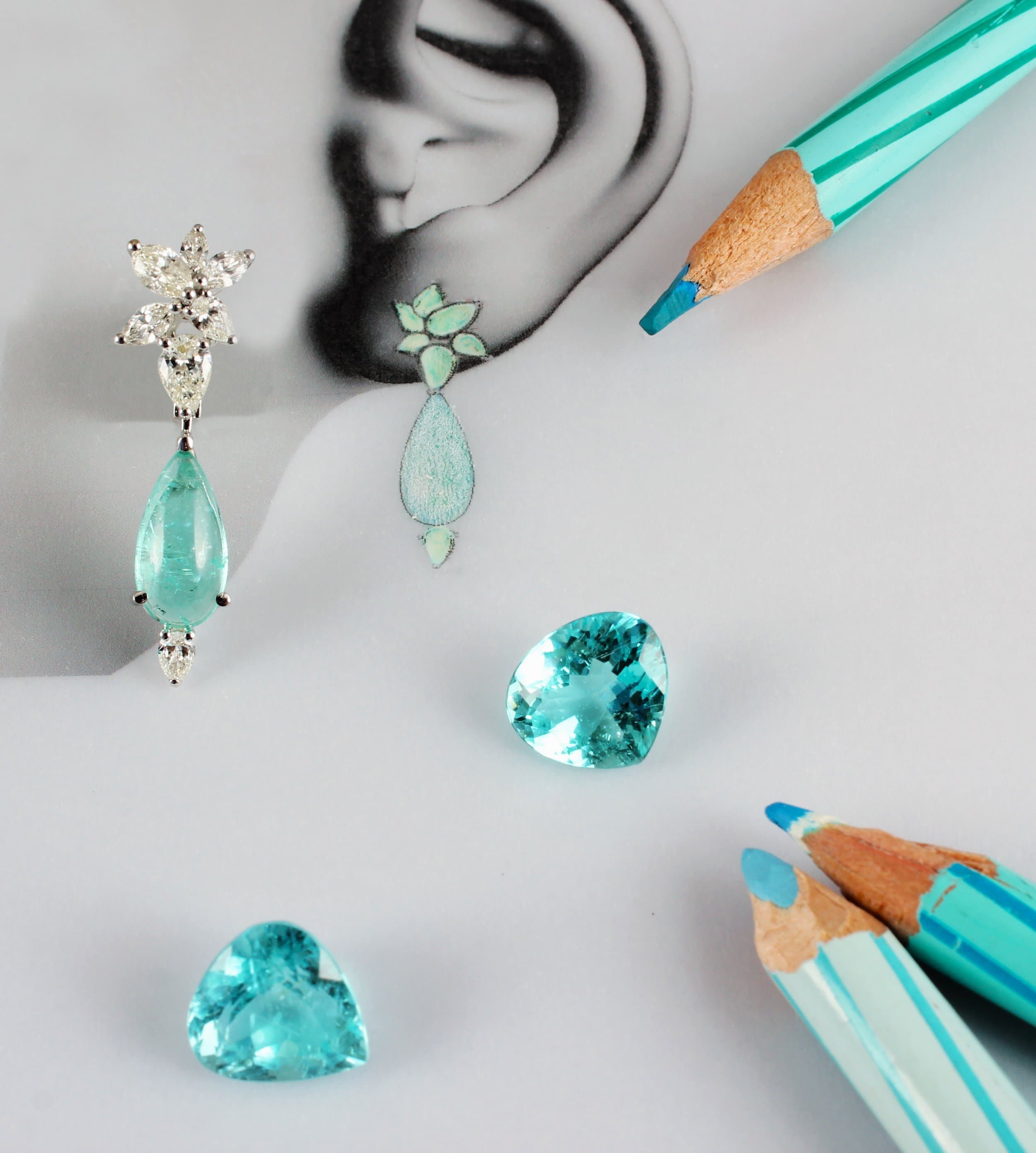
Ideas and drawings are developed into precise three-dimensional models. Approved designs are transformed into build-ready patterns for production.
Every design begins with an idea and is developed into a precise three-dimensional model. Our CAD team works through proportions, stone placement, metal thickness and construction before production begins.
Approved designs are transformed into accurate resin patterns for casting and manufacturing. This allows the design to be reviewed, refined and reproduced with consistency.
02
Wax & Casting
Precision wax patterns are prepared and cast in karat gold according to the design. Our casting process is carefully controlled for accuracy, strength and detail.
Precision wax patterns are developed and prepared for casting, allowing intricate designs to be translated accurately into precious metal.
Our karat gold alloys are prepared in-house according to the required colour and finish, with every casting inspected before moving to the next stage.
03
Handcrafting
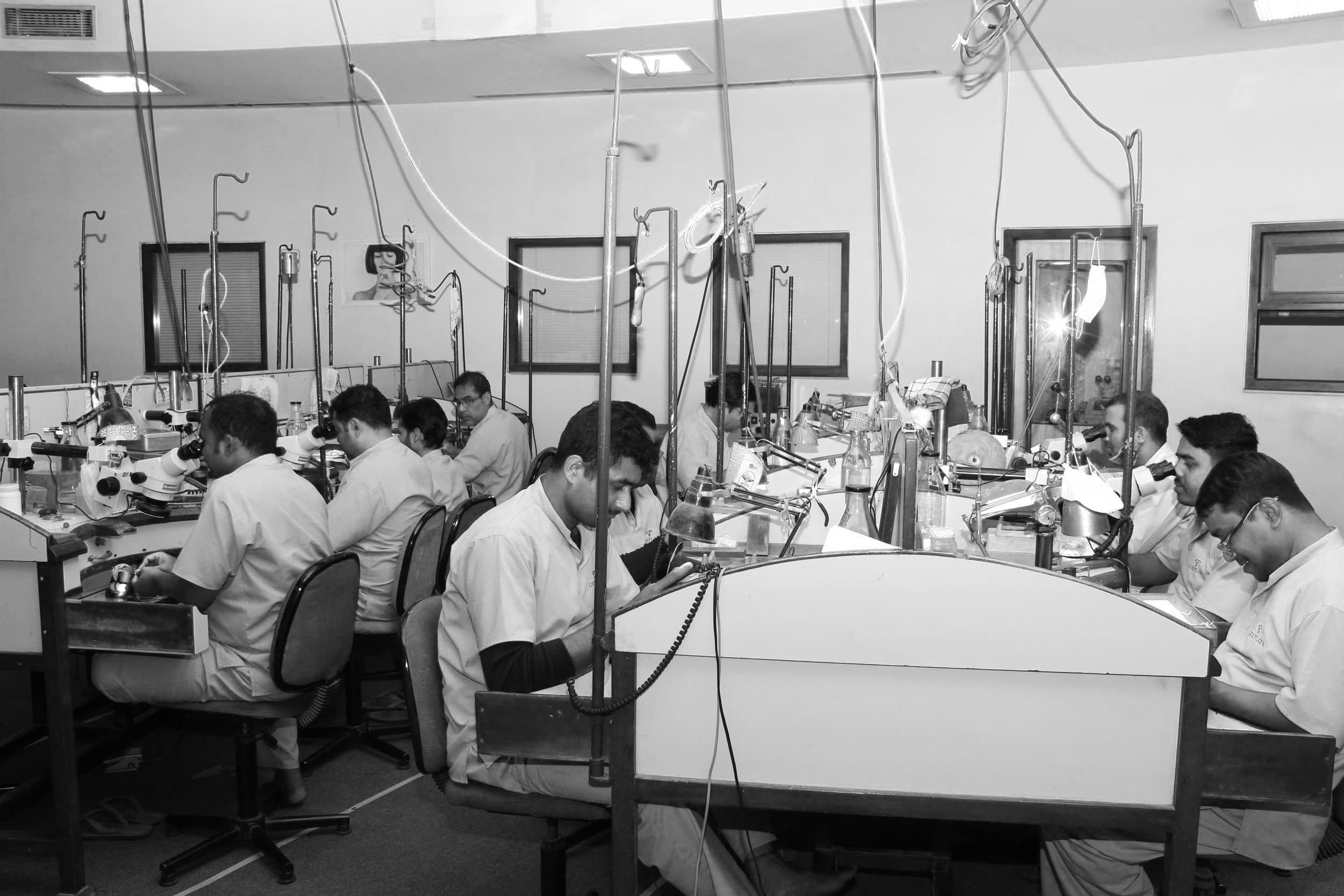
Skilled craftspeople shape, form and assemble elements that require the precision of handwork. Each piece is refined at the bench to achieve its intended structure and character.
Not every detail can be achieved through casting. Skilled craftspeople shape, form and assemble selected elements by hand to achieve precision, strength and refined detail.
Each piece is carefully worked at the bench, allowing its structure, movement and finish to be refined throughout the making process.
04
Stone Setting
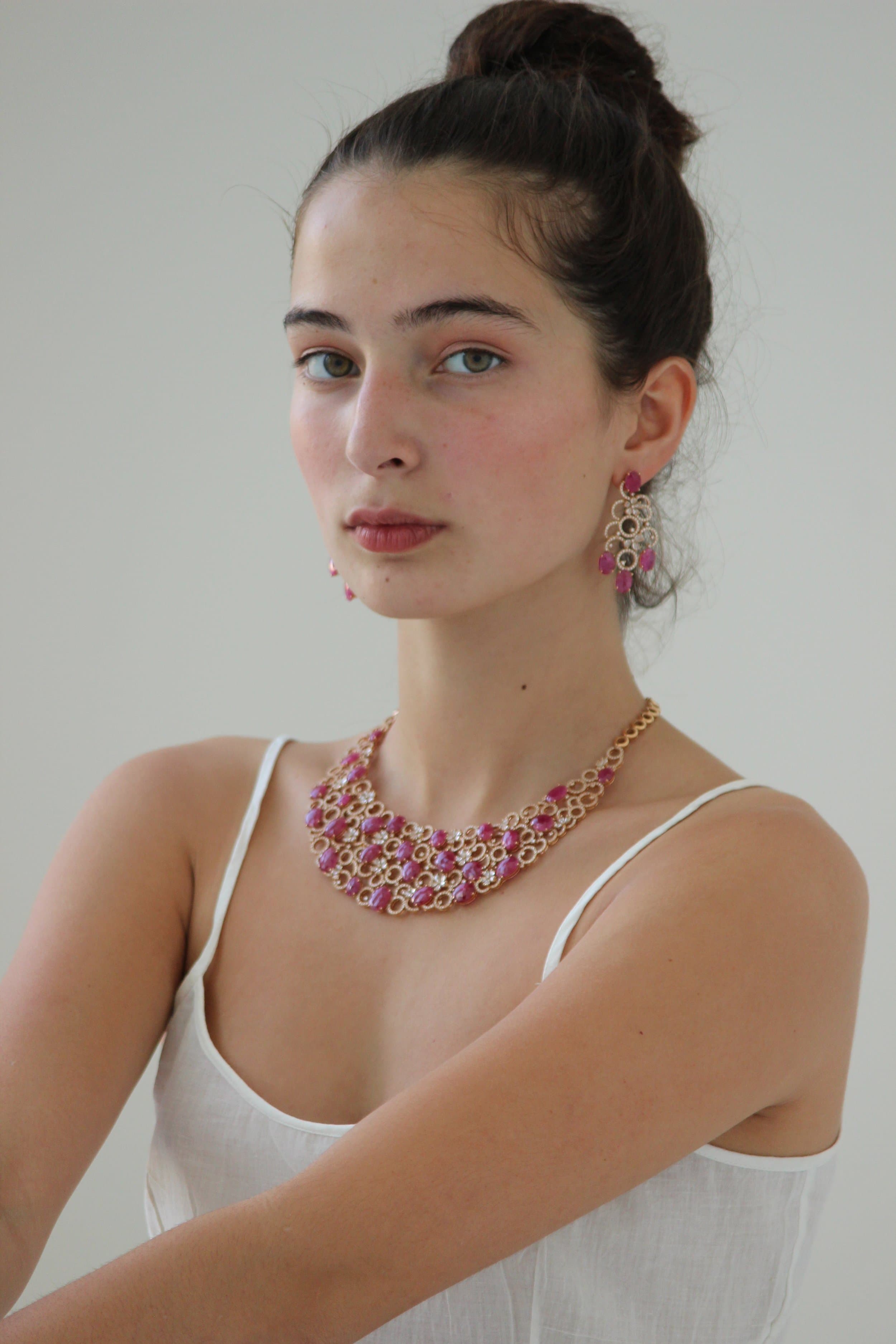
Gemstones are individually set using techniques suited to the design and stone. Each setting is carefully aligned to balance security, proportion and brilliance.
Each gemstone is individually positioned and secured using the setting technique best suited to its shape, cut and design.
From prong and bezel to channel and pavé, every setting is executed with precision to protect the stone while allowing it to retain its brilliance.

05
Enamelling
Colour and texture are introduced through carefully applied enamel techniques. Each piece is finished with precision to complement the metal and gemstones.
Enamel is carefully applied to selected gold surfaces to introduce colour, depth and contrast.
Each layer is precisely finished to create a refined surface that complements the design and the gemstones.
06
Polishing & Finishing
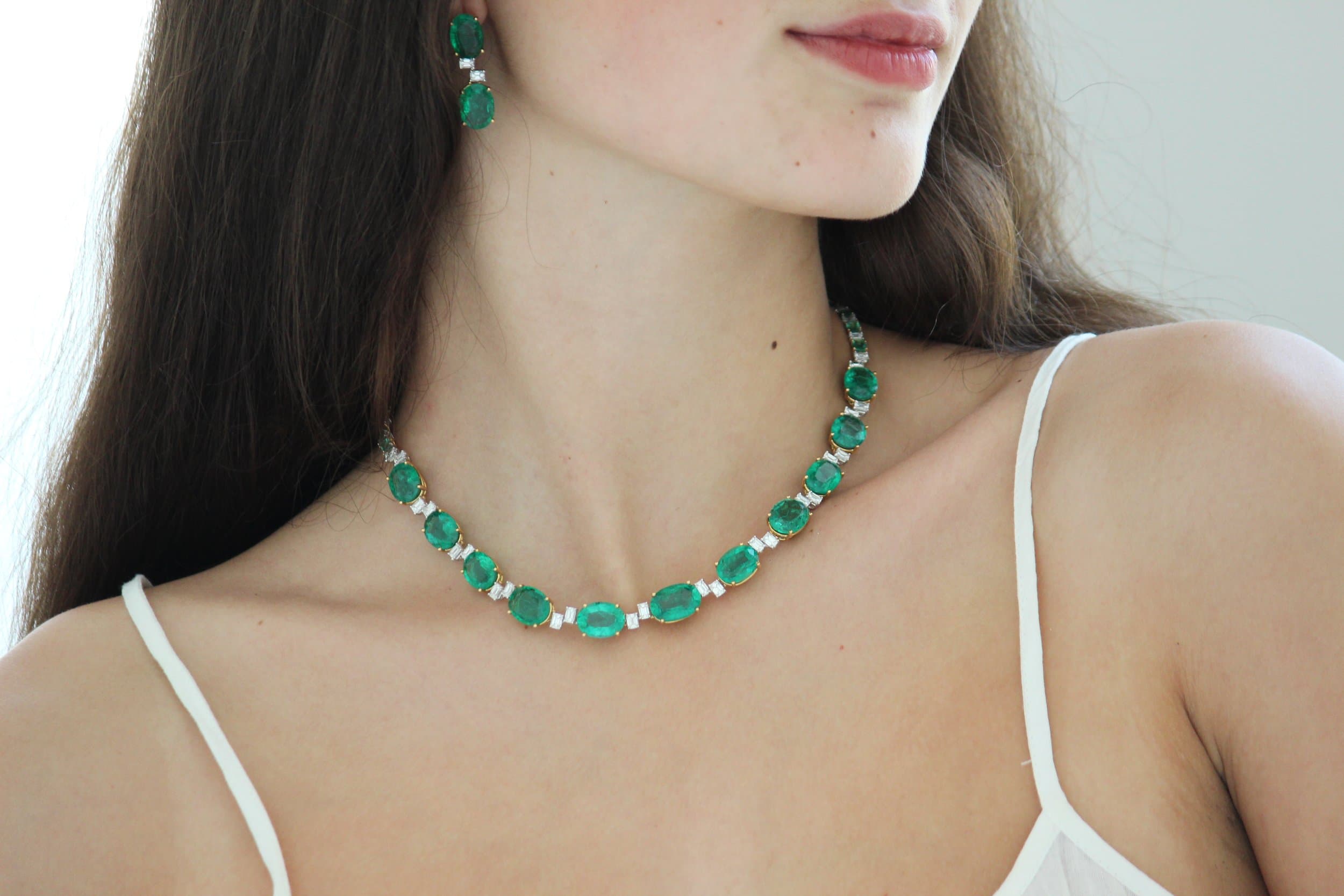
Surfaces are refined through successive stages of polishing, texturing and finishing. Every piece is cleaned and carefully prepared before its final inspection.
Every surface is progressively refined to achieve the intended texture, lustre and finish of the design.
The final piece is cleaned, polished and carefully examined so that every detail is ready for inspection and presentation.
07
Quality Control & Hallmarking
Every piece is inspected against its approved design, specifications and gemstone details. Gold jewellery is hallmarked through a BIS-recognised assaying and hallmarking centre.
Every piece undergoes detailed inspection for dimensions, gemstone placement, setting, finishing and overall workmanship before leaving the atelier.
Gold jewellery is hallmarked through a BIS-recognised assaying and hallmarking centre, providing an independent indication of purity.
Bring us a specification
If your piece needs a bench we have not described here, say so in the enquiry. It is a large floor and this is not all of it.